
OPEN: A Spatial Language and a Way of Being

Li Hu and Huang Wenjing, reflect on over two decades of architectural practice and the mindset behind OPEN’s work. Rejecting a fixed visual style, they have developed a spatial language built on simple yet powerful operations of opening. By cutting into mass, separating volumes, and dissolving boundaries, projects such as Sun Tower, Chapel of Sound, and a series of cultural and educational buildings bring light, air, landscape, and people into meaningful confluence. The lecture explores how this spatial language fosters connections between people, place, and the environment, pointing toward a more open and sustainable way of being.
About the speakers:
LI Hu (Hon. FAIA) + HUANG Wenjing (AIA) are founding partners of OPEN Architecture, Howard A. Friedman Visiting Professors in the Practice of Architecture at the University of California, Berkeley, and Kenzo Tange Design Critics in Architecture at the Harvard University Graduate School of Design. LI and HUANG co-founded OPEN in New York City and subsequently established their office in Beijing in 2008. Prior to OPEN, LI Hu was a partner at Steven Holl Architects, and the director of Columbia University GSAPP’s Studio-X Beijing. He received his B. Arch. from Tsinghua University in Beijing in 1996, and his M. Arch. from Rice University in 1998. HUANG was an associate at the New York-based firm Pei Cobb Freed and Partners. She received her B. Arch. from Tsinghua University in 1996, and her M. Arch. from Princeton University in 1999. Some major projects by OPEN include Sun Tower, Shanfeng Academy, Chapel of Sound, UCCA Dune Art Museum, Tank Shanghai, and Garden School/Beijing No.4 High School Fangshan Campus. The publications co-authored by Li Hu and Huang Wenjing and on their works include Reinventing Cultural Architecture: A Radical Vision by OPEN (2022), OPEN Questions (2018), Towards Openness (2018), and OPEN Reaction (2015). Recent awards received by OPEN include the AIA International Design Awards Honor Award (US), Arcasia Awards Gold Award, and Design for Asia Awards. OPEN’s work has been collected by Museum of Modern Art in New York and M+ Museum in Hong Kong, and widely published and frequently exhibited around the world.
5:30–5:50 PM — Check-in & Pre-Reception
5:50–6:00 PM — Welcome & IPKC Introduction
6:00–7:00 PM — Presentation
7:00–7:20 PM — Moderated Panel Discussion
7:20–7:35 PM — Audience Q&A
7:35–7:40 PM — Closing Remarks
7:40–8:00 PM — Post-Event Networking / Buffer
This Course has been approved for 1 Learning Unit
- Describe a design approach and attitude marked by the concept of “open,” which promotes more interactive relationships between buildings, landscapes, and the public realm in both the methodological and philosophical sense.
- Recognize how architectural strategies that open buildings to light, air, landscape, and public circulation can cultivate deeper connections between people and their environment.
- Examine project examples to understand how architects can rethink conventional building typologies, such as museums, schools, and performance venues, to create more flexible, inclusive, and transformative spaces for contemporary cultural life.
- Identify practical ways architectural design can engage broader ecological, cultural, and philosophical perspectives, emphasizing the interdependent relationships among people, place, climate, and culture in shaping a more sustainable and connected future.
The lecture is hosted by the AIA SF International Practice Committee
As the hub for international engagement in architecture, the International Practice Committee aims "To provide the broad local architect community with easy access to comprehensive international practice expertise that best promotes excellence in global architectural practice." Through educational programming and networking events, the Committee strengthens ties between the Bay Area and the international architectural community, ensuring a robust exchange of ideas, technology, and design excellence. The committee is led by Dan Hogman, AIA, Chair, and Shawn Yang, Co-Chair.
Dan Hogman, AIA, RIBA. Chair, International Practice Committee
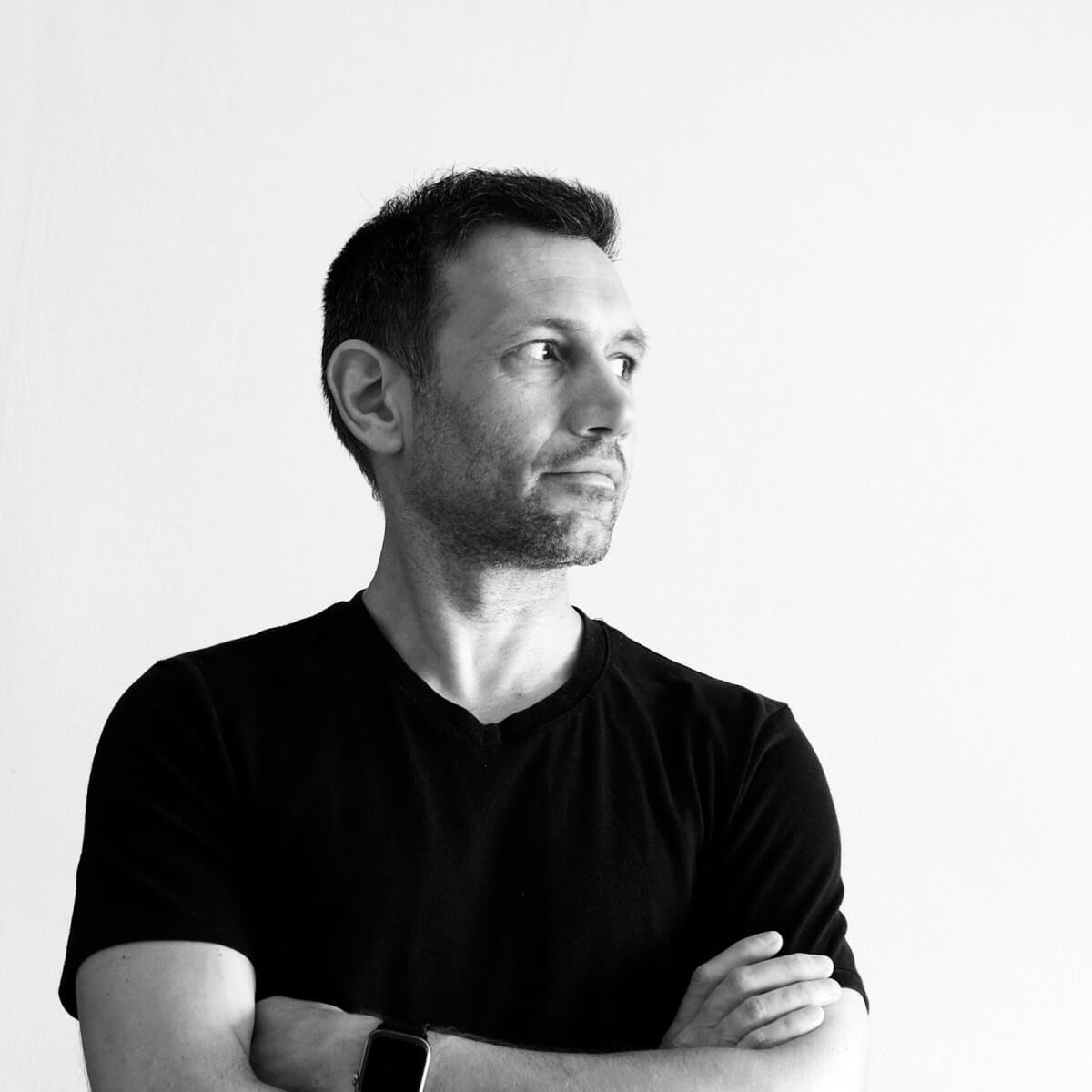
Dan is an architect (licensed in NY and WA), an artist, and an educator. His work spans high-rise residential towers, commercial buildings, and cultural projects across three continents — with a particular focus on museums and the design discipline they demand. He practices, teaches, and leads within the profession, where each role informs the others.
Shawn, RA, WELL AP, Co-Chair, International Practice Knowledge Community

Shawn Yang is a California-licensed architect, WELL AP, and Co-Chair of the AIASF International Practice Knowledge Community (IPKC). Originally a rocket engineer, he brings a tech-forward approach to his role as a BIM Manager at SCB, bridging concept planning with rigorous BIM execution on large-scale projects. Within the IPKC, Shawn leverages technology for innovative content creation, driven by his belief that tech serves as a vital bridge for cross-cultural global design exchange. Outside the studio, he stays active through competitive badminton.
Q Zhang
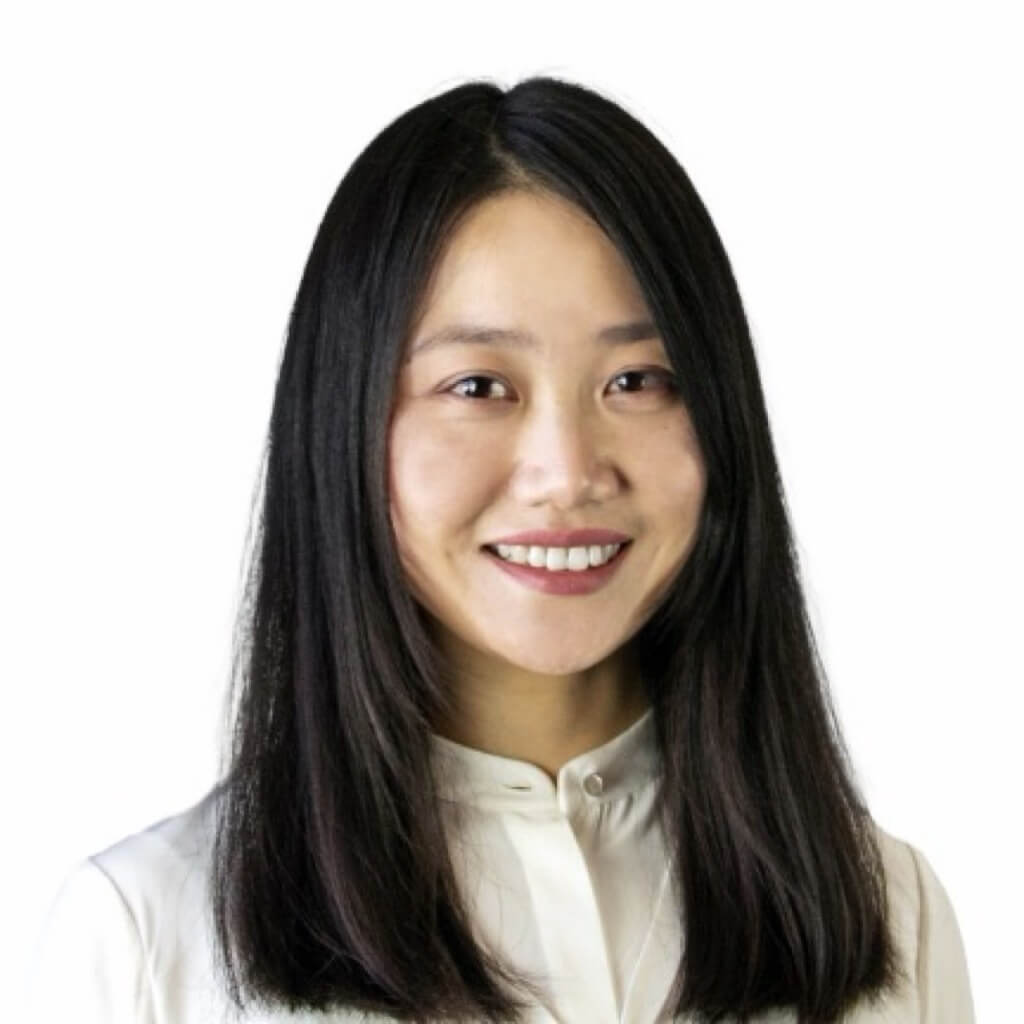
Qianqian (Q) Zhang is a California licensed architect and Associate and Project Designer at SmithGroup in San Francisco. She works in the firm’s Longevity Living Studio, focusing on projects that explore the relationship between architecture, wellbeing, and community environments for elders. She also serves as Secretary of the International Practice KC at AIASF, helping organize programs on global architectural practice.
Sponsor the International Practice Knowledge Community
Support the International Practice Committee (IPC), the hub for global architectural exchange. Your sponsorship connects local practitioners to international expertise and advances excellence in global design.